
Curriculum

Our Approach

The CPOI curriculum features two complementary tracks, created by the Lead Faculty and the National Program Director: Anthropology & Material Cultures and Intellectual History. Together, they expose students to a diversity of academic approaches to the study of Islam. Every participant experiences both tracks, led by distinguished scholars and experts.

The Anthropology & Material Cultures track examines Islam by investigating contemporary experiences and material practices, analyzing how Muslims live their faith in modern society. Topics include anti-Muslimness in America, gender dynamics, and the varied expressions of Muslim identity across communities, including within the Ismaili community.

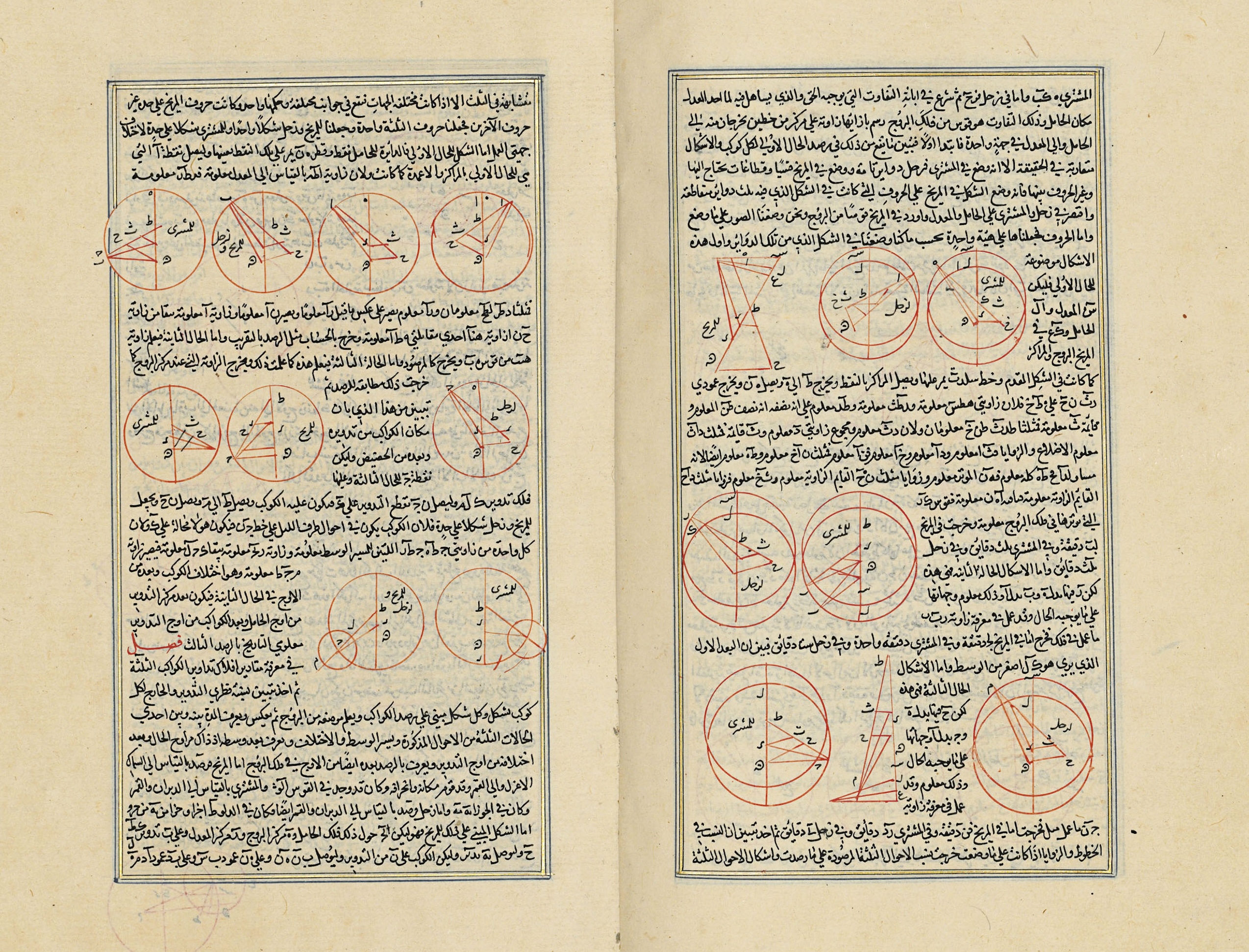
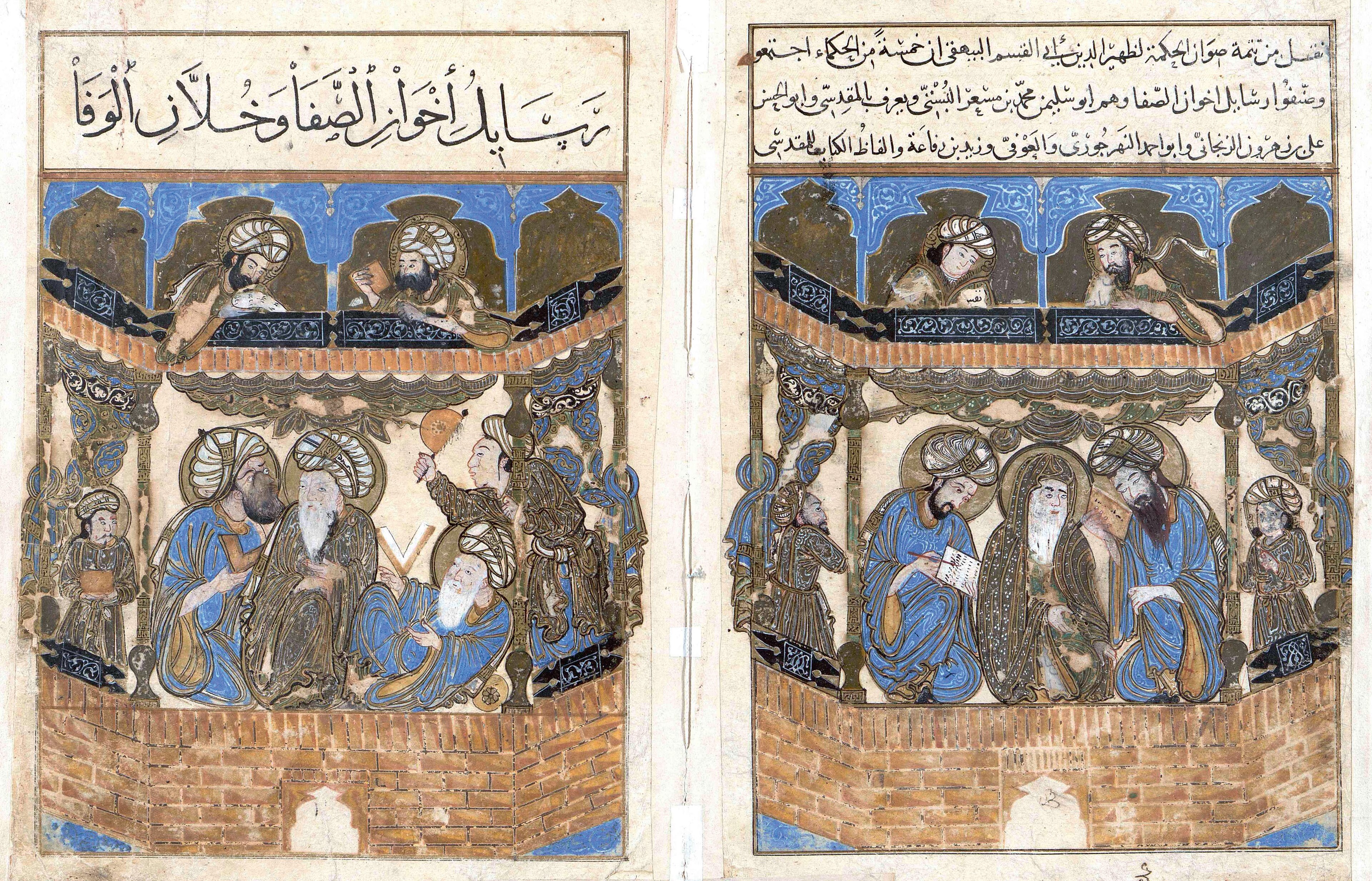
The Intellectual History track investigates how Muslim communities developed distinct approaches to religious authority, Qurʾānic interpretation, and theology. It traces intellectual traditions from their historical foundations through modern transformations, with particular emphasis on Ismaili perspectives. Through engagement with primary texts and current scholarship, students come to understand how Muslim scholars across history have grappled with essential questions of faith, authority, and interpretation.

Two Complementary Tracks

The Themes

Every participant experiences both tracks.

Track One

Anthropology & Material Cultures

This track studies Islam through lived experience, beginning with foundational anthropological methods for examining Muslim communities. Students investigate how contemporary Muslims construct identity using critical frameworks of race, gender, and social justice, engaging contemporary challenges such as anti-Muslimness and anti-Blackness in America, the intersections of religion and race, and the diversity of Ismaili communities.

Representative Lectures

  • Approaches to the Study of Islam: Anthropology & Material Culture
  • Anti-Muslimness and Anti-Blackness in America
  • Race & Islam
  • Vectors of Difference within Ismaili Communities
Track Two

Intellectual History

This track examines the historical development of Islamic thought, from Islamic origins and Qurʾānic studies to modern interpretations. Students trace both Sunni and Shīʿa traditions, with emphasis on the sources of religious authority and methods of textual interpretation, assessing how Muslim communities developed distinctive philosophical, mystical, and theological traditions across the centuries, with particular attention to Ismaili perspectives.

Representative Lectures

  • Islamic Origins & the Qurʾān
  • Sources of Authority in Sunni Islam
  • Shīʿa Islam over the Centuries
  • Historical Ismāʿīlī Understandings of the Qurʾān
  • Intercession in Sunni & Shīʿī Traditions

“Of the Abrahamic faiths, Islam is probably the one that places the greatest emphasis on knowledge. The purpose is to understand God’s creation, and therefore it is a faith which is eminently logical.”

Imam Shah Karim Shah, Spiegel Interview (Berlin, Germany), October 12th, 2006

Applications

Applications for the 2027 program will open soon. Program dates will be announced here.